
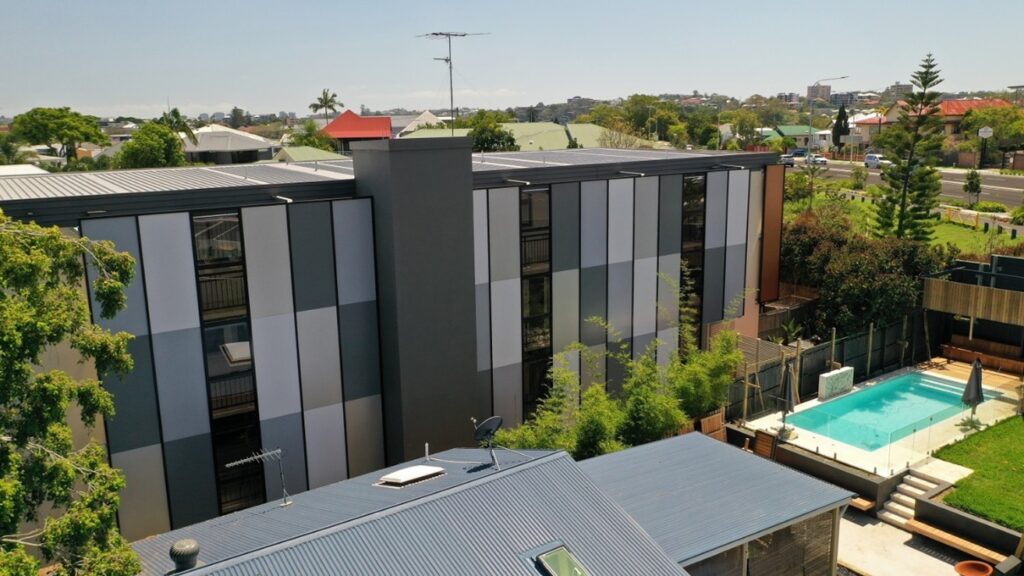
In the dynamic world of Australian architecture, where innovative design meets the harsh realities of a sun-drenched climate, the integration of effective shade solutions is no longer an afterthought—it’s a fundamental necessity. For architects, understanding how to seamlessly weave architectural shade structures into the early stages of design can dramatically enhance project outcomes, delivering superior aesthetics, functionality, and long-term value for clients.
Versatile Structures has long partnered with architects across Australia, transforming visions into robust, custom-engineered shade realities. Our experience reveals a clear truth: the most successful projects are those where shade is considered from the outset, rather than as a late-stage addition. This guide aims to illuminate the benefits of early integration and provide practical considerations for architects looking to elevate their designs.
Why Early Integration Matters: Beyond Basic Shading
The temptation for some projects might be to treat shade structures as a bolt-on accessory, a final flourish to be added once the primary building design is complete. However, this approach often leads to compromises in design integrity, structural efficiency, and cost-effectiveness.
- Holistic Aesthetic Cohesion: When shade is considered early, it becomes an integral part of the building’s architectural language. Instead of feeling like an appendage, a custom-designed shade structure can echo the building’s lines, materials, and overall aesthetic vision. This creates a cohesive, sophisticated look that enhances curb appeal and user experience. Imagine the sleek integration seen in projects like the Eskgrove Apartments in Brisbane, where architectural screens and louvres are not just functional but define the building’s contemporary facade.
- Optimised Structural Efficiency and Buildability: Retrofitting shade onto an existing or near-complete design can present significant structural challenges. Footings might be in the wrong place, existing services could interfere, or load-bearing capacities might be insufficient. Early involvement allows for the most efficient structural solutions, reducing material waste, simplifying installation, and often leading to significant cost savings. Our engineers can collaborate directly with yours to ensure seamless integration into your structural documentation.
- Enhanced Functionality and Performance: Early design allows for precise solar path analysis, wind load calculations, and material selection tailored to specific site conditions. This means the shade structure can be perfectly oriented and engineered to maximise UV protection, manage glare, and provide optimal thermal comfort—essential in Australia’s diverse climatic zones, from the tropical north to the temperate south.
- Navigating Regulatory Requirements with Ease: Building codes, council approvals, and specific wind region classifications (e.g., in cyclone-prone areas of Queensland) are critical considerations. Bringing in a shade structure specialist like Versatile Structures early means these regulatory hurdles can be identified and addressed proactively, preventing costly delays or redesigns down the line. We understand the nuances of compliance across various Australian jurisdictions.
- Cost-Effectiveness and Value Engineering: While a custom-engineered solution might seem like a higher upfront investment, early integration allows for value engineering opportunities. We can explore material alternatives, connection details, and fabrication methods that optimise cost without compromising quality or performance. Avoiding late-stage modifications is, in itself, a major cost saver.
Key Considerations for Architects in Early-Stage Shade Design
To effectively integrate shade structures, architects should engage with specialists like Versatile Structures during the conceptual and schematic design phases. Here are critical areas to explore:
- Site Analysis and Environmental Factors:
- Solar Path & Orientation: Understanding the sun’s movement throughout the day and year is paramount. How will the structure provide shade during peak UV hours?
- Wind Loads & Climate Zones: Australia’s wind regions vary significantly. High wind zones require robust engineering for sails, membranes, and rigid structures.
- Rainfall & Runoff: Designing for water management is crucial, especially for large overhead structures.
- Acoustics & Glare: How can the shade solution contribute to a more comfortable acoustic environment or mitigate reflective glare?
- Structural Integration and Foundations:
- Connection Points: Where and how will the shade structure connect to the primary building or surrounding landscape?
- Foundation Requirements: What are the ground conditions? What kind of footings will be needed, and do they clash with existing services or proposed landscaping?
- Material Compatibility: How do the chosen materials for the shade structure (e.g., steel, aluminium, timber, PTFE, PVC, mesh) interact with the building’s palette?
- Material Selection and Longevity:
- Membrane Options: PVC, PTFE, ETFE, and various shade meshes offer different light transmission, durability, and aesthetic qualities. Which one aligns with the project’s vision and performance requirements?
- Frame Materials: Galvanised steel, stainless steel, and aluminium each have unique strengths regarding corrosion resistance, span capability, and finish.
- Finishes & Coatings: Powder coating, hot-dip galvanising, or marine-grade finishes are essential for long-term performance in diverse Australian environments.
- Aesthetics and Architectural Language:
- Form & Function: How can the shade structure’s form enhance the overall architectural statement? Is it a flowing, organic shape, or a rigid, geometric intervention?
- Colour & Texture: How will the chosen materials and colours complement or contrast with the building’s existing palette?
- Lighting Integration: Can integrated lighting enhance the structure’s nighttime presence and functionality?
- Maintenance and Accessibility:
- Long-Term Care: How will the structure be cleaned and maintained? Is there easy access for inspections?
- Durability: Specifying high-quality, durable materials from the outset reduces future maintenance burdens and ensures a longer lifespan for the investment.
Case Study in Early Integration: The Lucent Project, Newstead
Consider our involvement in the Lucent Project in Newstead, Brisbane. Here, large, custom-designed shade sails were integral to the residential tower’s luxurious podium level. By engaging early with the project architects, we were able to:
- Engineer the mast and footing connections directly into the building’s structural slab, ensuring seamless and robust integration.
- Select membrane materials that provided optimal shade and UV protection for the pool deck and recreation areas, while complementing the building’s high-end aesthetic.
- Address wind loading challenges specific to a high-rise environment from the initial design phase, guaranteeing the longevity and safety of the structures.
This collaborative approach resulted in shade solutions that were not only highly functional but also became iconic architectural features, adding significant value to the development.
Partnering for Excellence
At Versatile Structures, we see ourselves as an extension of your design team. Our expertise in custom tensile membrane structures, architectural shade sails, insulated panel roofing, and structural steel fabrication means we understand the complexities of bringing ambitious architectural visions to life.
By engaging with us in the early design stages, you gain:
- Specialised Engineering Insight: Access to engineers who specialise in complex shade structures and can provide expert advice on design, materials, and compliance.
- Value Engineering Opportunities: Identifying the most cost-effective and efficient solutions without compromising quality.
- Streamlined Project Delivery: Proactive problem-solving that minimises delays and ensures a smoother construction phase.
- Innovative Solutions: Exploring cutting-edge materials and design possibilities to create truly unique and impactful spaces.
Conclusion
For architects striving for excellence in a challenging climate, early integration of architectural shade structures is not merely an option—it is a strategic imperative. It paves the way for designs that are not only beautiful and functional but also structurally sound, cost-effective, and environmentally responsive. By partnering with specialists like Versatile Structures from the outset, you can unlock the full potential of your designs, creating spaces that stand the test of time and truly enhance the Australian built environment.
Let’s collaborate on your next landmark project.