As we move through 2026, shade structures have evolved beyond simple functional covers. In Queensland and across Australia, they are now viewed as architectural landmarks, sustainability drivers, and long-term financial investments.
From master-planned developments to hospitality hubs, here are the key trends defining the next generation of shade.
1. Shade as Architecture, Not an Add-On
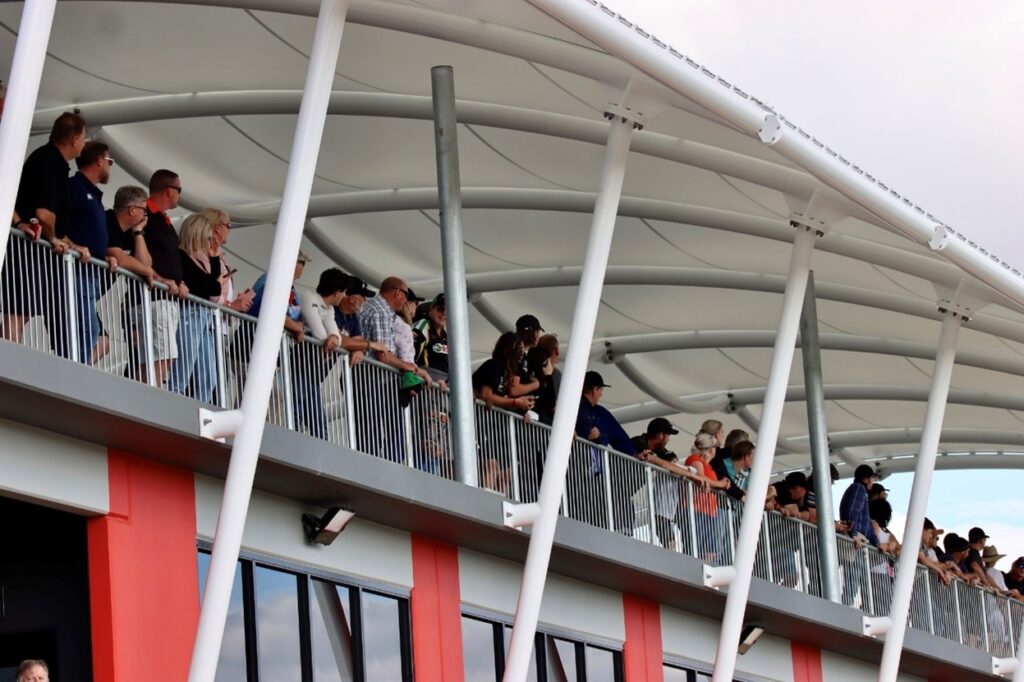
The “afterthought” era is over. In 2026, tensile forms and sculptural steel canopies are integrated into the master plan from day one.
- Aesthetic Impact: Structures are now used to frame entrances, define outdoor dining zones, and create a visual identity for public spaces.
- Precision Engineering: Modern designs balance high-end aesthetics with complex wind-load and sun-angle calculations, ensuring the structure is as strong as it is beautiful.
2. Sustainability: The Baseline Expectation
Sustainability is now a mandatory requirement for councils, schools, and commercial developers.
- Urban Cooling: Structures are strategically designed to reduce the “urban heat island” effect and lower the thermal load on adjacent buildings.
- Resource Efficiency: 2026 designs prioritize long-life, recyclable materials and high-performance fabrics with superior UV ratings.
- Energy Savings: Well-placed shade reduces the reliance on mechanical cooling, directly lowering operational costs.
3. Climate-Responsive Engineering
Designing for 2026 means designing for extremes. “One-size-fits-all” solutions have been replaced by site-specific engineering tailored to:
- Local Wind Regions: Critical for coastal and high-exposure sites.
- Seasonal Sun Paths: Ensuring maximum protection during peak heat while allowing natural light during winter.
- Extreme Resilience: Car park and commercial structures are now engineered to withstand intense rainfall and cyclonic winds without compromising their sleek, modern look.
4. Multi-Functional “Smart” Structures
Shade structures are being asked to do more than just block the sun. In 2026, they serve as multi-purpose infrastructure:
- Brand Integration: Custom colors, logo printing, and unique geometry serve as powerful branding tools.
- Integrated Tech: Modern structures often house lighting, digital wayfinding, and integrated signage.
- Placemaking: Shade is used to create “destinations”—increasing customer dwell time in retail precincts and improving revenue for hospitality venues.
5. Material Innovation: Stronger, Lighter, Smarter
Advanced fabric and structural technology are pushing the boundaries of what’s possible:
- Architectural Fabrics: Next-gen membranes with extended warranties and self-cleaning properties.
- Polycarbonate Panels: A rising trend for 2026, offering 100% waterproof protection while maintaining transparency and natural light.
- Corrosion Resistance: Advanced coatings for steel and aluminum frames ensure longevity in salt-heavy coastal environments.
6. Award-Winning Standards as the Benchmark
Industry expectations are now set by award-winning projects that prove shade can be both a technical masterpiece and a visual highlight. These benchmark projects demonstrate that quality design delivers the best lifecycle value for asset owners.
7. Seamless “Concept to Completion” Delivery
Clients in 2026 demand clear accountability. The trend has shifted toward an integrated delivery model:
- End-to-End Management: One partner handling everything from early architectural collaboration to engineering and final installation.
- Risk Mitigation: Early-stage engineering documentation ensures compliance with local council regulations and building codes, preventing costly delays.
The Bottom Line
In 2026, great shade design is no longer just about coverage—it is about placemaking. Whether for a school, a car park, or a luxury resort, the most successful projects are those that view shade as a strategic asset that supports comfort, sustainability, and architectural excellence.