Smart Shade: The Intersection of IoT, Automation, and Sustainability
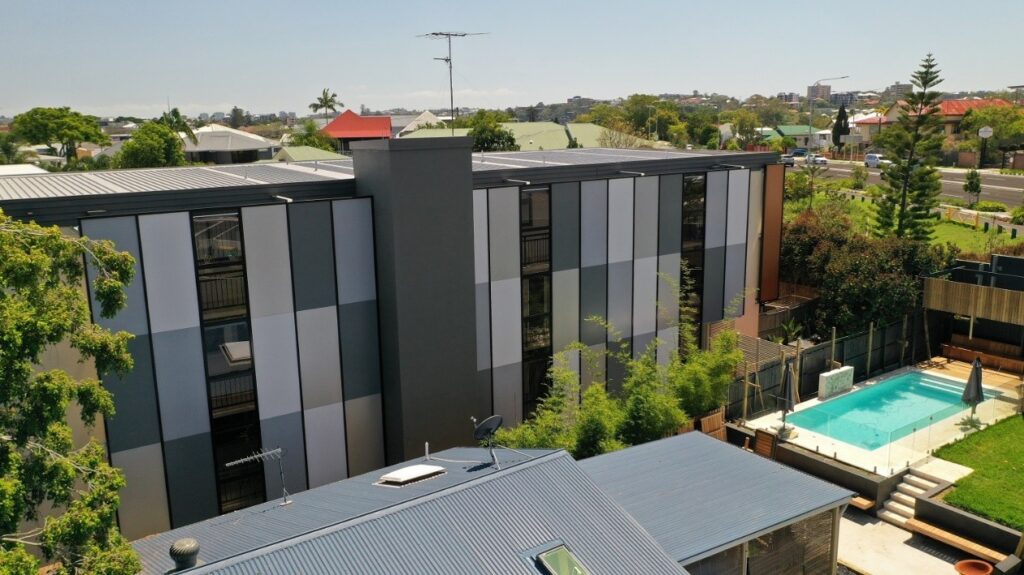
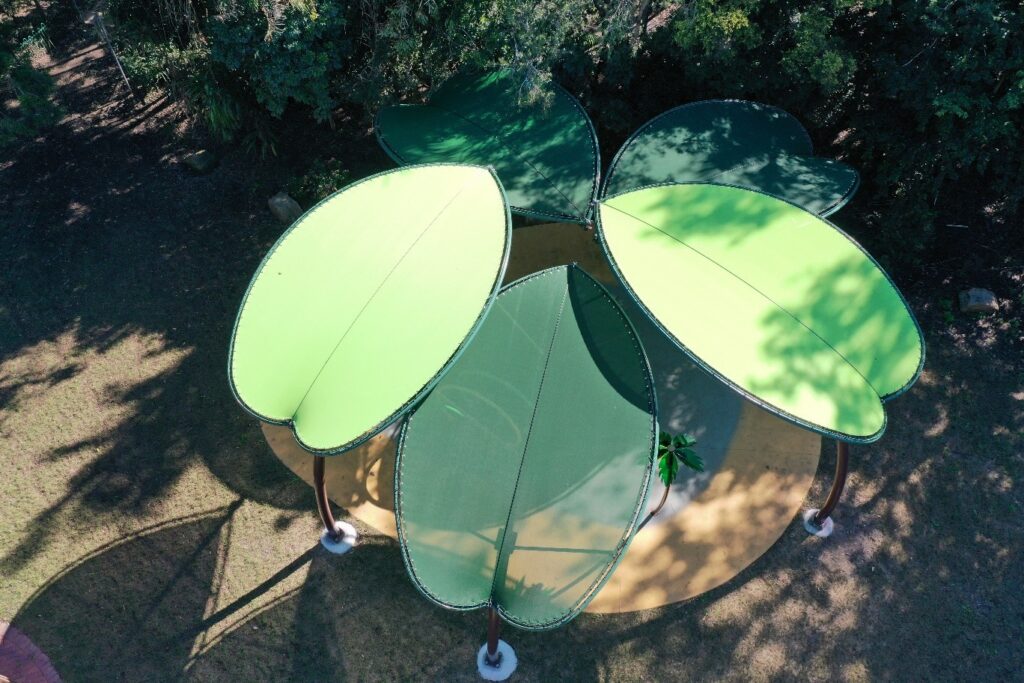
Shade structures in Australia have evolved far beyond simple UV protection. In modern architecture, they are now intelligent, integrated systems that combine award-winning engineering with smart technology. From Brisbane to the Gold Coast, innovative shading is redefining how we utilize outdoor spaces. 1. From Simple Shelter to Smart Architecture Modern shading is no longer an “optional extra”—it is a functional and aesthetic asset. High-profile projects like those at Dreamworld and the Kawana Waters Hotel demonstrate how canopies now serve as architectural centerpieces that enhance user interaction and environmental comfort. 2. The Rise of IoT (Internet of Things) The integration of IoT is transforming commercial shading into a proactive safety system. These “thinking” structures offer: Weather-Responsive Safety: Commercial umbrellas that automatically retract when wind speeds exceed safety thresholds (e.g., 130km/h models). Sun-Tracking Automation: Awnings that adjust their position throughout the day to maximize shade coverage. Staff Efficiency: In venues like BrewDog, automated systems allow staff to focus on service rather than manually adjusting blinds or umbrellas. 3. Sustainability as a Core Metric Sustainability is now a design requirement. Modern shade solutions support environmental goals through: Eco-Friendly Materials: Use of recyclable polycarbonate panels that offer high UV resistance and long-term durability. Passive Cooling: By reducing heat gain on building facades, strategic shading significantly lowers air conditioning demand and carbon footprints. Resource Efficiency: Award-winning fabrication methods reduce waste and ensure structures last for decades in harsh coastal environments. 4. Proven Excellence in Innovation The transition to smart shade is backed by industry-leading engineering. Notable installations that balance resilience with aesthetics include: Logan Village Green: A blend of community focus and structural durability. Pacific Fair: Large-scale commercial shading that enhances the premium retail experience. Lismore Council: Public infrastructure designed for long-term safety and low maintenance. The Next Decade: What to Expect The future of urban design will feature even deeper technological integration: Solar-Powered Canopies: Generating renewable energy while providing shelter. AI-Driven Forecasting: Systems that predict weather patterns and proactively adjust for safety. Dynamic Materials: Smart glass that changes opacity based on light intensity. Modular Adaptability: Designs that can be scaled or moved as community needs evolve. Why Smart Shade Matters Ultimately, investing in automated and sustainable shading is a strategic business decision that delivers four key outcomes: Public Health: Significant reduction in UV exposure and heat-related risks. Enhanced UX: Consistent comfort for patrons in hospitality and retail settings. Cost Savings: Lower energy bills and reduced manual maintenance costs. Future-Proofing: Aligning infrastructure with global sustainability standards. Conclusion The future of shade is smarter, safer, and more efficient. By embracing IoT and automation, developers and councils are not just providing shelter—they are shaping the sustainable, high-tech communities of tomorrow.