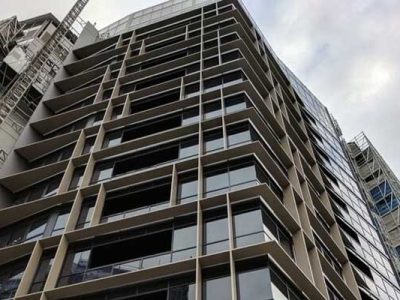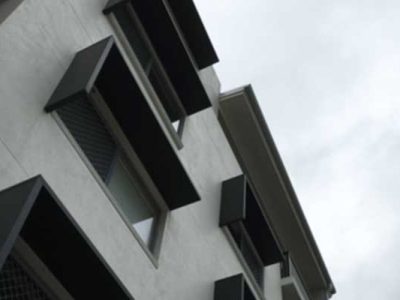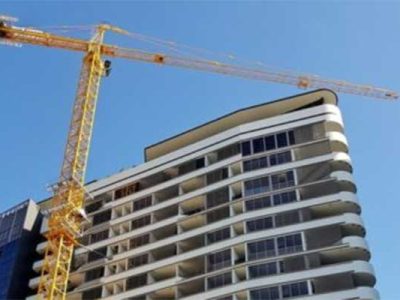
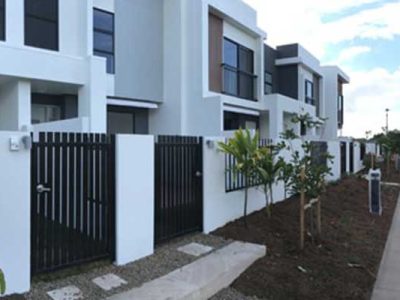
As modern streamlined buildings pop up, sunhoods and aluminium screens or blades are becoming more popular as they enhance the aesthetics of a building and provide a practical solution for protecting windows and doors from the elements. A well-designed sunhood and blade solution will not only shelter a window from rain and sun, but also provide privacy from prying eyes. Commercial shade structures like these offer versatile options for creating shaded spaces as well as manage the sun.
What are sunhoods?
Sunhoods are affordable, attractive, and upmarket alternatives to panel style hoods. They are a non-load bearing decorative element, made from steel or aluminium, that are fixed around windows and doors to provide privacy, as well as protection from the elements.

Building codes
The National Construction Code which includes the Building Code of Australia (BCA) have specific laws about sun protection. It is important that the sunhoods and blades you chose for your development comply with BCA.
Key benefits of sunhoods
The benefits of installing sunhoods on your building include
- Customisable – aluminium screens and sunhoods can be custom engineered to specific site requirements
- Exceptionally durable – aluminium screens and sunhoods have a typical lifespan of over 20 years
- Rain shield– sunhoods allow for windows to be open while it rains, which is ideal for areas like Brisbane, Gold Coast, and Sunshine Coast that have extreme hot weather and year-round rainfall. The sunhood may however not prevent water from blowing in if the wind is strong while it rains
- Sun protection– sunhoods are a terrific way to reduce the impact of direct sun while still letting natural light in, especially at noon when the sun is at its fieriest
- Privacy– a well-positioned sunhood is a smart answer to create privacy by blocking prying eyes from the road or neighbouring residence while still allowing the natural sunlight in
- Increase property value– a well-designed sunhood can increase the value of a property by modernising it with an architecturally designed impression. This is specifically valuable for older buildings in need of a facelift with sunhoods being cost effective and offering a significant impact on the perceived value of a building
- Energy saving– by reducing the need to run aircons, sunhoods have the potential to reduce a home’s energy rating and save on electricity costs
- Less cleaning– less rainwater running down the windows means that windows do not need to be cleaned as often
Cost
Sunhoods are an economical way of providing shading, protection, and privacy. Not being load bearing or excessively big, they can be made of lightweight materials like aluminium which makes the installation process straight forward and cost effective as well.
Australian Made

Our aluminium screens and sunhoods are proudly Australian made in Brisbane. We use the best materials possible to ensure durability.
Licensee ID number: 15969
Installation
Sunhoods can easily be installed after a building has been engineered, as they are not load bearing. This makes sunhoods a quick and simple option to update an older building with a modern look. In fact, by installing sunhoods and adding cladding to an older building can easily shave off decades in its aesthetics.
The installation process includes brackets, sealants, and adhesives to ensure the sunhood is fixed in place for years to come and avoid rain seepage or leaks between the structure and the sunhood.
Which buildings are best suited to sunhoods?
Sunhoods are ideal for residential, commercial, and industrial buildings like
- High rise buildings
- Storage facilities and warehouses
- Apartment blocks
- Residential and townhouse developments
- Premium domestic
Production solutions
With some off-the-shelf designs available, a customised design will always perform and look better as it is specifically designed and engineered to a particular building. It will also have less limitations, which enables a solution that perfectly suits your needs. Also, a custom solution allows for off-site fabrication and painting, which significantly limits the amount of onsite installation time.
Materials
Aluminium products come in a range of materials that are extremely durable. All aluminium products can be custom engineered to suit specific site requirements, or standard engineered if budgets are tight. Allow our team to collaborate with you and design the best possible solution for your project and budget.
Finishes
You will be spoilt for choice when it comes to the range of colours, like the Dulux powder coat colours for example. As for finishes you can even opt for a timber look, while systems can be powder coated with the Dulux and Interpon powder coat range, or with warranty grade options to suit location specific requirements.