In the modern construction landscape, sustainability has shifted from a “nice-to-have” feature to a core requirement. For commercial properties, shade structures are no longer just amenities—they are critical infrastructure that reduces environmental impact, slashes energy overheads, and secures green certifications.
1. The Mechanics of Energy Efficiency
Direct sunlight hitting glass facades is the primary driver of indoor heat gain. In regions like Queensland, this leads to a heavy reliance on HVAC systems, spiking both carbon footprints and operational costs.
- Reducing Solar Heat Gain: By blocking UV rays before they reach the building’s envelope, shade structures like sunhoods prevent “greenhouse effect” heat build-up.
- Natural Lighting vs. Heat: Modern designs allow for diffused natural light to enter the building, reducing the need for artificial lighting while simultaneously keeping the interior cool.
- Certification Pathways: Investing in high-performance shading helps properties qualify for prestigious certifications like Green Star and NABERS, which significantly increases asset value.
2. Mitigating the “Urban Heat Island” Effect
Commercial car parks are often vast expanses of asphalt and concrete that absorb and radiate heat. This creates a localized temperature spike known as the Urban Heat Island effect.
The Multi-Layered Solution:
- Surface Cooling: Large-scale shade sails significantly lower the temperature of ground surfaces and parked vehicles.
- Asset Protection: Shaded parking extends the lifespan of vehicle paintwork and interiors, reducing the environmental cost of frequent repairs.
- Solar Integration: The next frontier of sustainability involves installing PV (photovoltaic) panels atop car park structures. This turns a simple shade solution into a decentralized power plant, generating clean energy on-site.
3. Hospitality: Luxury Meets Sustainability
For resorts and hotels, the challenge is maintaining high levels of comfort without excessive energy expenditure.
- Microclimate Creation: Poolside sails and entrance canopies create comfortable outdoor “microclimates,” encouraging guests to enjoy the outdoors rather than retreating to air-conditioned rooms.
- The Eco-Conscious Traveler: With a growing market of travelers seeking sustainable accommodations, visible green initiatives (like smart shading) act as a powerful marketing tool and competitive differentiator.
4. The Technical Advantage of Sunhoods
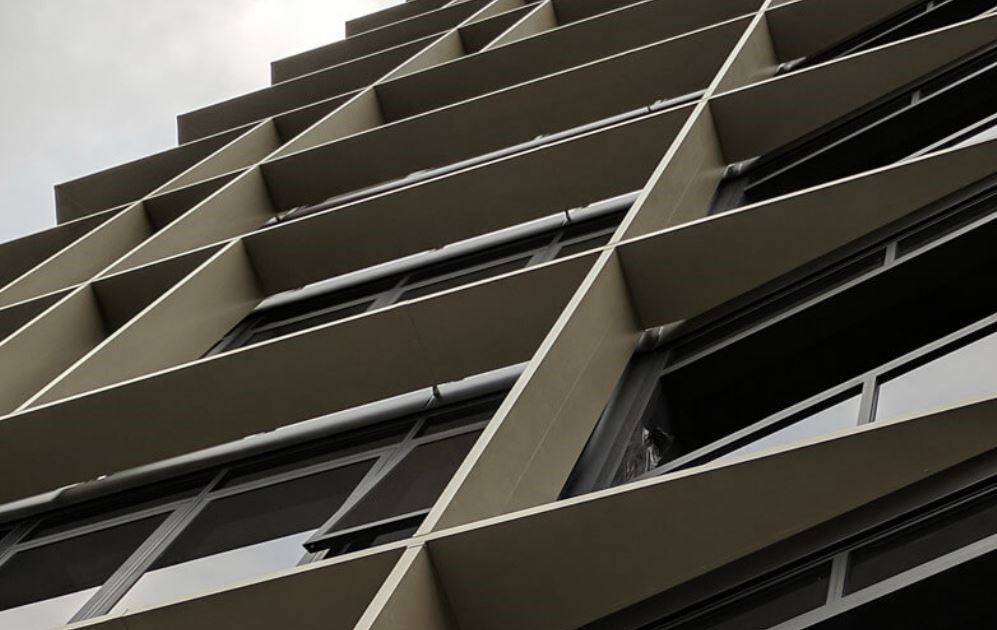
Sunhoods are specialized external shading systems designed specifically for commercial and office buildings. They offer a unique balance of architectural flair and functional performance.
- Targeted Protection: Sunhoods are engineered to block high-angle summer sun while allowing low-angle winter sun to provide natural warmth when needed.
- Building Longevity: By shielding window seals and frames from constant UV exposure, sunhoods reduce long-term maintenance and material degradation.
Key Strategic Benefits for Stakeholders
| Benefit | Impact |
| Operational Cost | Measurable reduction in annual cooling and lighting expenses. |
| Environmental | Lowered greenhouse gas emissions and contribution to city-wide cooling. |
| Regulatory | Easier compliance with evolving energy efficiency and building codes. |
| Social | Enhanced “liveability” and comfort for employees, guests, and the public. |
Conclusion: A Smart Investment in Resilience
Commercial shade structures are a silent partner in green building design. Whether it’s an award-winning car park installation or an integrated sunhood system, these structures offer a rare combination of immediate aesthetic improvement and long-term environmental ROI.
As the construction industry continues to push toward Net Zero, smart shading will remain an essential tool for creating resilient, energy-efficient, and socially responsible commercial spaces.