
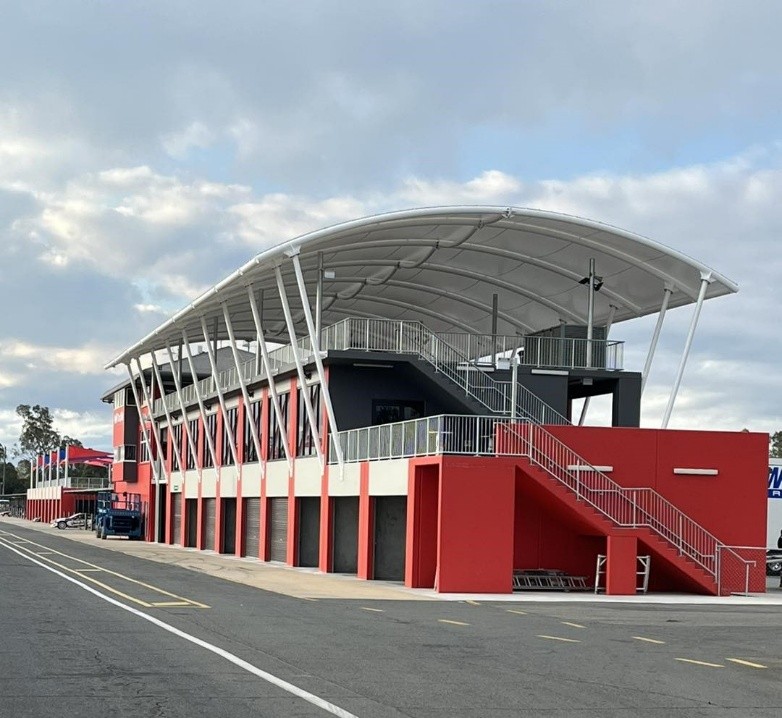
Selecting the optimal outdoor shelter for a commercial site, school, hospitality venue, or council area requires balancing weather protection, budget, structural requirements, and patron comfort.
When evaluating high-performance tensile structures, decision-makers often weigh two primary options: waterproof shade sails (or PVC membranes) and traditional permeable shade cloth. Both options deliver superior UV defence, yet they handle rainfall, structural loads, and microclimates differently.
This guide breaks down performance metrics, installation considerations, and maintenance factors to help you determine the right solution for your facility.
Understanding the Core Material Differences
To select the correct cover, you must first understand how these materials perform under tension and exposure.
- Permeable Shade Cloth (HDPE): High-Density Polyethylene (HDPE) is a knitted fabric designed to block UV radiation while allowing air and moisture to pass through. It eliminates heat entrapment beneath the structure, keeping outdoor spaces cool during peak summer months.
- Waterproof Shade Sails (PVC & Coated Fabrics): Waterproof membrane structures utilize heavy-duty architectural PVC or PVC-coated polyester fabrics. These materials feature heat-sealed seams and impermeable coatings that prevent water penetration entirely, creating an all-weather shelter.
For a broader look at how custom tensile solutions integrate into commercial properties, explore our range of architectural shade structures.
Side-by-Side Comparison: Waterproof vs. Shade Cloth
When planning a commercial project, review these key operational metrics:
| Performance Metric | Waterproof Shade Sails (PVC/Membrane) | Permeable Shade Cloth (HDPE) |
| Weather Protection | 100% Rainproof & UV Protection | Up to 98% UV Protection; Water Permeable |
| Airflow & Thermal Comfort | Retains ambient heat; requires higher clearance | Superior natural airflow; reduces heat trap |
| Water Runoff & Pitch | Requires minimum slope for drainage | Allows water passage; minimal pooling risk |
| Steel Framework Needs | Heavy-duty footings, thicker columns, engineered steel | Standard engineering; lighter loads |
| Ideal Applications | Alfresco dining, outdoor event spaces, car parks | Playgrounds, sports courts, pool surrounds |
1. Waterproof Shade Sails: All-Weather Utility
Waterproof shade structures turn exposed outdoor areas into functional, year-round spaces. They prevent rain interruption and protect high-value assets from storms, hail, and torrential downpours.
Key Advantages
- Year-Round Revenue Generation: Hospitality venues and cafes can run outdoor dining areas during wet weather without losing seating capacity.
- Asset Protection: Ideal for protecting vehicles, machinery, and equipment. See our dedicated car park shade structures for commercial parking applications.
- Easy Maintenance: The smooth PVC surface resists dirt accumulation and can be easily washed down with low-pressure water.
Engineering & Design Requirements
Waterproof fabrics do not let water escape through the weave. As a result, water accumulation creates massive weight loads on the structure.
- Required Pitch: Structures must maintain a steep slope (typically at least 15 to 20 degrees) to shed water rapidly and prevent pooling.
- Structural Loads: Steel posts, cables, perimeter frames, and concrete footings must handle increased tension and wind resistance.
- Integrated Drainage: Gutters, downspouts, and perimeter channels are often necessary to direct runoff safely away from building entrances and footings.
2. Permeable Shade Cloth: Airflow and UV Defence
Shade cloth remains the industry standard for large-span applications where thermal comfort and sun protection take priority over rain coverage.
Key Advantages
- Cooling Microclimate: Hot air rises and passes directly through the mesh, reducing ambient temperatures beneath the canopy by several degrees.
- Cost Efficiency: Lighter structural demands mean lower installation and steel framework costs across large footprints.
- Wind Resistance: Air moves freely through the fabric, reducing uplift during gusty weather conditions.
Primary Use Cases
- School play grounds, sandpits, and assembly areas.
- Public parks, council recreation sites, and BBQ shelters.
- Sports facilities, tennis courts, and bowling greens.
If you are comparing different architectural designs for your site, read our guide on the different types of shade structures to determine which layout suits your space best.
How to Choose the Right Cover for Your Site
Ask these four key questions before making a final selection:
1. What is the primary function of the space?
If wet weather cancels your operations—such as alfresco dining or outdoor learning—invest in a waterproof solution. If the area is used mainly on sunny days for sport or play, shade cloth is ideal.
2. Does your site have structural weight constraints?
Retrofitting a waterproof structure onto existing footings is rarely possible due to increased wind and water loads. Shade cloth offers a lighter alternative for retrofits.
3. What is your long-term budget?
Waterproof structures carry a higher initial capital outlay due to engineering, heavier steelwork, and specialized installation. Shade cloth offers a cost-effective, high-coverage option for tight budgets.
4. Will heat entrapment affect patron comfort?
In warm climates with minimal wind, waterproof membranes can trap ambient heat if designed with low clearance heights. Ensure your design incorporates sufficient roof height for adequate ventilation.
For detailed information on custom waterproofing or specialized polycarbonate options, review our breakdown on polycarbonate roofing options.
Frequently Asked Questions
Can you convert an existing shade cloth structure into a waterproof sail?
No. Waterproof fabrics incur significantly higher wind and water loads. Converting an existing structure usually causes structural failure because standard shade cloth posts and footings are not engineered to support waterproof membranes.
What slope is required for a waterproof shade sail to prevent pooling?
A minimum slope of 15 to 20 degrees is generally required for effective water runoff. Proper tensioning is equally critical to prevent the fabric from sagging and collecting water under heavy downpours.
Which fabric lasts longer in harsh weather conditions?
Both commercial-grade PVC membranes and architectural HDPE shade cloth feature long lifespans (often 10 to 15+ years). PVC membranes offer greater resistance to physical tearing and atmospheric debris, whereas HDPE shade cloth withstands high wind speeds with less structural stress.
How do I maintain and clean a commercial shade structure?
Clean your structures annually to remove leaf debris, dirt, and organic buildup. Wash PVC membranes using a mild detergent, warm water, and soft brushes or low-pressure hoses. Avoid harsh chemicals or high-pressure washers, which can damage protective coatings and fabric stitching.
Are waterproof shade sails completely storm-proof?
Commercial waterproof structures are engineered to satisfy Australian wind standards for specific regions, including cyclone-prone areas. However, severe weather events exceeding design parameters require inspections to verify tension, cable integrity, and footing stability.