
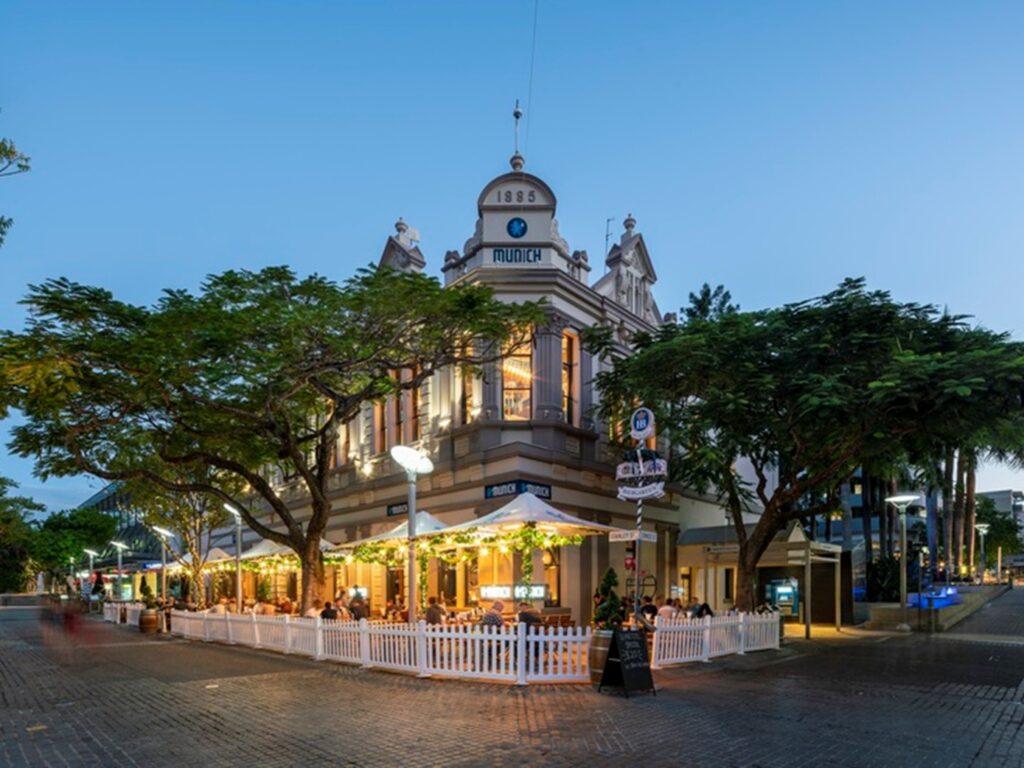
In the world of commercial architecture and urban planning, we often discuss shade through the lens of technical specifications: UV ratings, kPA wind loads, and fabric durability. While these metrics are vital for engineering, they overlook the most powerful asset a shade structure provides: its ability to alter human psychology.
For retail precincts, alfresco dining hubs, and public plazas, shade is not just a weather-mitigation tool—it is a sophisticated instrument of neuromarketing. By understanding the “Psychology of Shade,” developers and business owners can move beyond simple sun protection and begin designing environments that actively influence consumer behaviour, extend dwell time, and drive revenue.
The “Exit Behaviour” Trigger: Why Glare is the Enemy of Commerce
To understand why strategic shade works, we must first understand the biological “exit behaviour” triggered by harsh environments. Human beings are evolutionarily hardwired to seek thermal comfort and visual clarity. When a consumer is exposed to high levels of solar glare and heat, the body enters a state of low-level physiological stress.
High ambient temperatures and blinding light increase cortisol levels. In a retail or dining context, this manifests as “environmental fatigue.” A customer standing in an unshaded shopping strip or sitting at an exposed café table isn’t thinking about your product or your menu; they are subconsciously scanning for an escape. This leads to “exit behaviour”—the instinctive urge to leave the space and seek a more hospitable environment.
By implementing high-quality shade structures, businesses neutralize this stress response. Strategic sun protection eliminates the squinting, the sweat, and the thermal discomfort that truncate the consumer journey. When the physiological “threat” of the sun is removed, the cortisol drop allows the customer to transition from a state of “transit” to a state of “lingering.”
The Sanctuary Effect: Shade as a Psychological Destination
At Versatile Structures, we often refer to the “Sanctuary Effect.” This is the phenomenon where a well-designed shade sail or tension membrane structure creates a “room without walls.”
In psychological terms, this provides a sense of prospect and refuge. Humans feel most comfortable when they have a clear view of their surroundings (prospect) but feel protected from above (refuge). A high-quality shade structure provides this overhead “ceiling,” which psychologically defines a space as a safe, curated zone.
This sanctuary effect is what drives “dwell time”—the holy grail of retail and hospitality. Data consistently shows that for every additional ten minutes a customer spends in a precinct; their likelihood of purchase increases significantly. By creating a temperate, glare-free sanctuary, you aren’t just providing shade; you are expanding the “comfort envelope” of your property, encouraging patrons to order that second coffee or browse one more storefront.
Biophilic Design: Bringing the Outdoors In (Comfortably)
The modern consumer has a deep-seated craving for “Biophilic Design”—the integration of natural elements into the built environment. We know that people prefer being outdoors, but the Australian climate often makes the “raw” outdoors inhospitable.
Strategic shade acts as the bridge. A tension membrane structure with high translucency mimics the dappled light of a forest canopy. This “filtered light” is far more psychologically pleasing than either the harsh, direct sun or the oppressive darkness of a solid metal roof.
When we use fabrics that allow for natural light transmission while blocking UV radiation, we satisfy the human need for Vitamin D and visual connection to the sky, without the physical penalties of heat. This connection to nature lowers heart rates and improves mood, making the consumer more receptive to brand messaging and experiential retail.
The Colour Temperature of Commerce: Influencing Mood with Fabric
One of the most underutilized tools in shade design is the psychological impact of color temperature. The light filtered through a shade structure takes on the hue of the fabric, effectively “painting” the environment and the people within it.
- Warm Tones (Terracotta, Beige, Warm Whites): These hues stimulate the appetite and create a sense of intimacy. In alfresco dining precincts, warm-toned shade can make food look more appealing and skin tones look healthier, encouraging social interaction and longer stays.
- Cool Tones (Blues, Greys, Silver): These tones are perceived as physically “colder.” They are ideal for transit hubs, sports facilities, or high-traffic walkways where the goal is to provide a sense of instant relief from intense heat.
- High-Aesthetic Architectural Whites: These create a sense of prestige, cleanliness, and modernism. For high-end luxury retail, a crisp, white tension membrane structure signals “premium” quality before the customer even walks through the door.
By selecting fabric colours based on the desired psychological outcome, developers can “nudge” consumer behaviour in specific directions.
From Supplier to Design Consultant: The Versatile Advantage
At Versatile Structures, we recognize that a shade sail is never just a piece of fabric. It is a spatial intervention that dictates how people move, feel, and spend.
For architects and developers, the challenge is no longer just “covering a space.” The challenge is creating a destination. This requires a move away from “off-the-shelf” solutions toward bespoke, engineered structures that account for the movement of the sun, the prevailing winds, and the psychological needs of the end-user.
When we design for a commercial plaza or a retail courtyard, we are looking at:
- Acoustic Comfort: Fabric structures help dampen ambient noise compared to hard surfaces, reducing the “cocktail party effect” and making conversation easier.
- Visual Landmarks: A dramatic, high-arch tension structure serves as a wayfinding tool, drawing foot traffic toward specific commercial zones.
- Microclimate Management: By reducing surface temperatures of pavement and furniture by up to 15°C, we turn “dead zones” into revenue-generating square footage.
Conclusion: The ROI of Human-Centric Design
The business case for strategic shade is clear. If a retail precinct or restaurant can extend the average dwell time of its visitors by 15-20% through environmental optimization, the return on investment for a high-quality shade structure is realized in months, not years.
In the competitive landscape of physical retail and dining, the environment is the product. By leveraging the psychology of shade, you are not just protecting customers from the sun; you are curated a high-performance atmosphere where humans feel safe, relaxed, and inclined to stay.
Is your precinct designed for “exit behaviour” or “dwell time”? Contact Versatile Structures today to discuss how we can help you engineer a sanctuary that drives both comfort and commerce.