
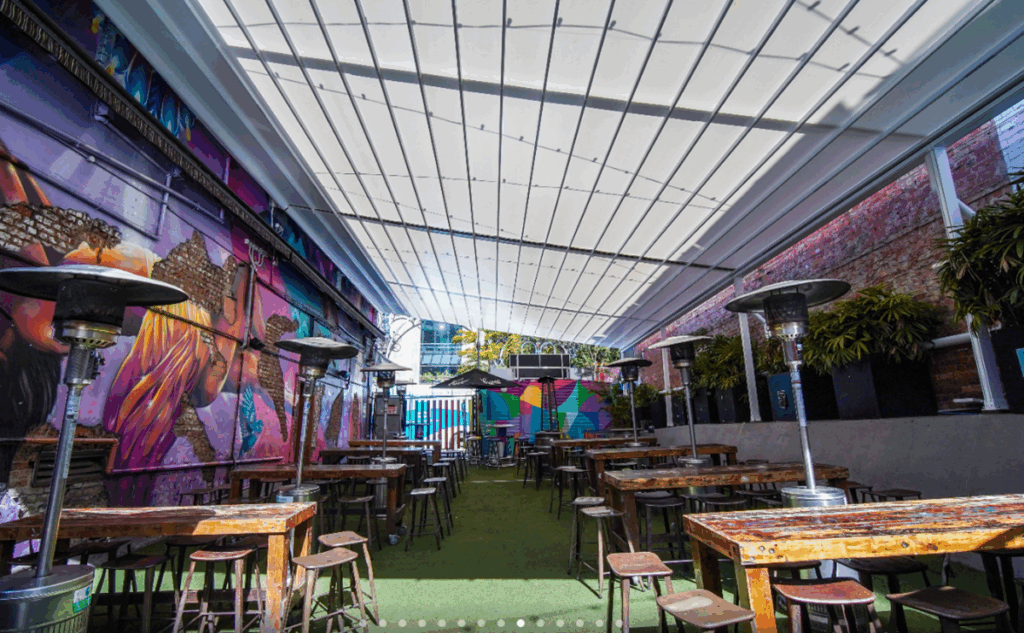
In the architectural landscape of modern Australia, the “Industrial Chic” aesthetic—defined by glass, steel, and polished concrete—has become the gold standard for schools, hospitality venues, and commercial hubs. However, these hard-surfaced environments have given rise to an invisible urban plague: the acoustic echo.
As we flock to open-air plazas and high-ceilinged common areas, the noise of footsteps, chatter, and machinery bounces off rigid surfaces, creating deafening “echo chambers” that hinder communication and elevate stress. While much of the conversation around outdoor structures focuses on heat and UV protection, a quiet revolution is taking place. Versatile Structures is leading the way in utilizing tensile architecture not just for shade, but as a critical tool for acoustic management.
By integrating “soft architecture”—specifically PVC membranes and advanced shade fabrics—designers are finally solving the sound problem in our modern open-air hubs.
The Science of Sound: Hard vs. Soft Architecture
To understand why modern spaces are so loud, we must look at how sound behaves. In a traditional “undercroft” area of a school or a large commercial courtyard, sound waves hit hard surfaces like concrete or corrugated iron and reflect almost entirely. This creates a high reverberation time, where sounds overlap and become an indistinguishable roar.
This is where innovating spaces with award-winning designs makes a difference. Tensile membranes, unlike metal or glass, are porous and flexible. When sound waves hit a PVC or PTFE membrane, the material vibrates slightly, converting acoustic energy into a small amount of thermal energy. Rather than bouncing the sound back into the crowd, the fabric absorbs and dampens it.
Schools: From “Deafening” to “Discovery”
One of the most critical sectors for acoustic intervention is education. Modern Australian schools often feature large, covered outdoor learning areas (COLAs) where students gather for assemblies, sports, and lunch.
In many older designs, these areas are covered with traditional tin roofing. During a rainstorm or a busy lunch break, the noise levels can exceed 85 decibels—the equivalent of standing next to a lawnmower. This “cocktail party effect” makes it impossible for teachers to communicate and for students to focus.
By opting for modern shade solutions for Queensland commercial properties, schools are transforming these zones. A fabric structure acts as a giant acoustic sponge. In school undercrofts, the installation of tensioned membranes reduces the “bounce” of children’s voices, creating a much calmer atmosphere that supports better mental health and learning outcomes.
Hospitality: Why Fabric Beats Tin for the Customer Experience
For the hospitality industry—specifically breweries, cafes, and hotels—the acoustic environment is a make-or-break factor for customer retention. We have all experienced a restaurant where the noise is so intense you cannot hear the person sitting across from you. This is often the result of hard-roofed alfresco areas that trap sound.
Venues like the Kawana Waters Hotel understand that atmosphere is about more than just visuals; it’s about the “auditory comfort” of the guest. When breweries and cafes choose fabric structures over tin or polycarbonate, they are investing in intimacy.
The soft nature of tensile architecture allows for conversational privacy. It lowers the floor of ambient noise, meaning music can be played at a lower volume while still being enjoyed, and patrons don’t have to shout to be heard. This shift toward “soft architecture” is a key reason why fabric is becoming the preferred medium for ideal shade-structure polycarbonate panels alternatives in high-end hospitality design.
The Multi-Sensory Benefit: Beyond Sound
The move toward tensile membranes isn’t just about acoustics; it’s about a holistic approach to human-centric design. This aligns with the psychology of shade-covered spaces and human-behaviour wellbeing. Humans are naturally more relaxed in environments that mimic the “softness” of nature.
In public spaces like the Redlands City Park or Lismore Council shade structures, the use of architectural fabric provides:
- Visual Softness: The organic curves of tensile structures break up the harsh lines of urban concrete.
- Diffuse Lighting: Unlike the glare of glass or the darkness of tin, membranes provide a soft, even light.
- Acoustic Insulation: As discussed, the reduction in echo creates a sense of “sanctuary” in busy urban environments.
Case Study: Iconic Queensland Structures
Queensland’s climate demands large-scale outdoor coverage, but our vibrant outdoor culture demands that these spaces remain usable and social. Projects involving iconic Queensland shade structures have proven that you can cover a massive area—such as a public plaza or a transit hub—without creating a noisy tunnel effect.
Whether it’s a retractable awning for a boutique storefront or a massive Logan Village green shade structure installation, the integration of fabric is a deliberate choice to enhance the “liveability” of the space. Even in industrial applications, such as car park shade structures, the acoustic dampening of fabric helps reduce the screech of tires and the roar of engines, benefiting the surrounding community.
Choosing the Right Membrane for Acoustics
Not all fabrics are created equal when it comes to sound. At Versatile Structures, we work with a variety of materials depending on the specific needs of the project:
- PVC Membranes: Excellent for general sound dampening and weatherproofing in commercial settings.
- PTFE Glass Fiber: Offers superior longevity and has unique acoustic properties that allow for high light transmission while significantly reducing noise.
- Architectural Mesh: As seen in our Kaynemaile architectural mesh solutions, these are perfect for facades where airflow and sound dissipation are required simultaneously.
Conclusion: The Future is Quiet
As we continue to densify our cities and expand our outdoor hubs, the “acoustic echo” will only become a more prominent challenge. The practicality of waterproof shade structures and their ability to protect us from the sun is well-documented, but their role as a silent guardian of our auditory health is the next frontier.
Tensile architecture offers a rare “win-win” in the design world. It provides the structural boldness required for excellence awards while offering the soft, acoustic performance that makes a space truly human-friendly.
If you are designing a space for a school, a hospitality venue, or a public hub, don’t just think about how it looks or how cool it stays—think about how it sounds. By choosing the right tensile solution, you are participating in the quiet revolution that is making Australia’s open-air hubs more comfortable, more conversational, and more connected.
Explore our full range of integrated solar panel shade structures and commercial shade structures to see how Versatile Structures can transform your next project.