
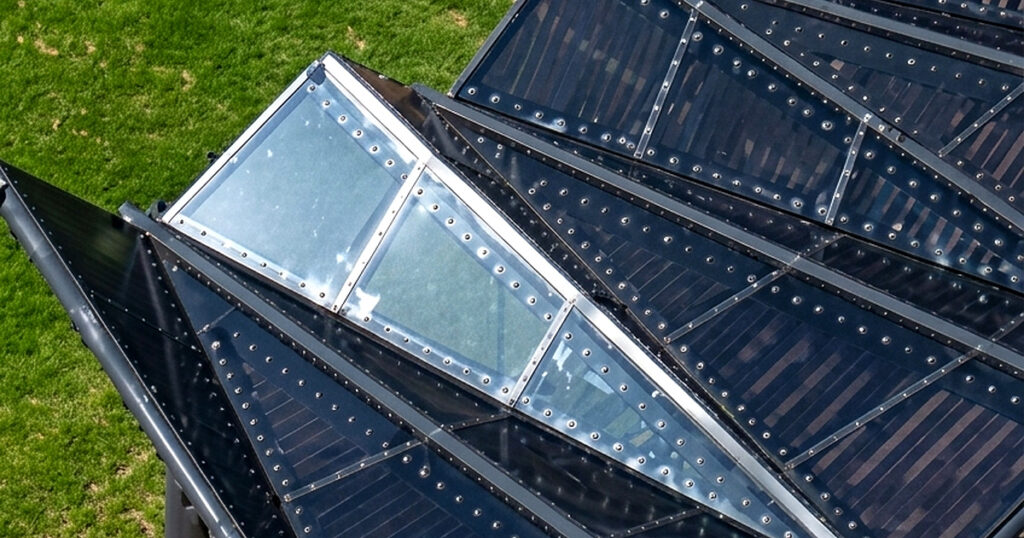
Queensland commercial properties face intense climate challenges. Selecting the right architectural roofing material impacts your energy efficiency, structural longevity, and overall property value.
While traditional materials have served businesses well for decades, modern commercial infrastructure demands higher performance. This comprehensive guide compares polycarbonate roofing against insulated panel roofing to help you make an informed asset management decision.
1. Understanding the Materials
Polycarbonate Roofing
Polycarbonate is a high-grade, lightweight thermoplastic polymer. It is highly impact-resistant and allows high levels of natural light transmission. Commercial projects often use it for industrial skylights, walkways, and architectural canopies where daylighting is a priority.
Insulated Panel Roofing
Often referred to as sandwich panels or composite panels, this system features a rigid core of thermal insulation sandwiched between two layers of protective metal (typically pre-painted steel like Colorbond). It functions as a complete, all-in-one ceiling, insulation, and roof deck solution.
2. Thermal Performance and Energy Efficiency
Queensland’s intense summer heat demands excellent thermal management.
- Polycarbonate panels allow natural light to penetrate, but they also introduce solar heat gain. Even with UV-resistant coatings, non-insulated thermoplastics can turn a covered outdoor area into a heat trap during peak summer hours.
- Insulated panel roofing acts as a robust thermal barrier. It actively stops heat radiation from entering the structural space below.
By installing insulated systems, commercial venues drastically lower their reliance on mechanical cooling. This directly reduces peak electricity demands and slashes ongoing operational energy costs.
3. Structural Integrity and Longevity
Commercial investments require materials that withstand harsh weather conditions, including severe storms, high winds, and hail.
Hail and Impact Resistance
Polycarbonate offers excellent impact resistance compared to standard glass. However, prolonged exposure to extreme Australian UV radiation causes plastic polymers to degrade, yellow, and become brittle over a ten-to-fifteen-year lifecycle. Insulated steel panels offer superior long-term structural resilience against heavy debris and severe weather events.
Spanning Capabilities
Insulated panels feature incredible structural strength. Their composite nature allows them to span large distances without the need for extensive secondary support framing. This reduces the overall steel framing requirement for the building, lowering both material costs and installation timelines.
4. Head-to-Side Comparison
| Feature | Polycarbonate Roofing | Insulated Panel Roofing |
| Primary Material | Thermoplastic Polymer | Composite Steel & Insulation Core |
| Thermal Insulation (R-Value) | Low | High (Excellent thermal barrier) |
| Natural Light Transmission | High (Up to 85%) | None (Opaque) |
| Acoustic Dampening | Poor (Loud during heavy rain) | Excellent (Absorbs impact noise) |
| Spanning Capability | Short (Requires frequent purlins) | Long (Minimal structural framing) |
| Expected Lifespan | 10–15 Years | 30+ Years |
| Maintenance Profile | High (Requires regular cleaning) | Low (Self-cleaning with rainfall) |
5. Acoustic Performance
Acoustic comfort is vital for commercial spaces, particularly hospitality venues, schools, and office hubs.
- Polycarbonate roofing provides minimal acoustic insulation. During heavy Queensland downpours, the sound of rain hitting the plastic sheets can become deafening. This disrupts communication and negatively impacts customer experience.
- Insulated composite panels excel at dampening sound. The dense internal foam core absorbs acoustic vibrations, ensuring a quiet, premium environment below even during severe weather storms.
6. Aesthetics and Design Flexibility
Both materials cater to distinct architectural styles:
- Polycarbonate delivers a sleek, translucent, modern aesthetic. It is perfect for feature entries, architectural light strips, and custom tension fabric pairings.
- Insulated panels provide a clean, uncluttered internal ceiling finish. The underside serves as a pre-finished ceiling, eliminating the need for plasterboard lining or painting.
7. Cost Analysis: Short-Term vs. Long-Term Value
When evaluating commercial project budgets, you must look beyond the initial purchase price to analyse the total cost of ownership.
Initial Expenditure
Polycarbonate sheets are lighter and less expensive upfront per square metre. However, they require a denser support matrix of purlins and rafters, which increases secondary structural steel costs. Insulated panels cost more upfront but save money on structural framing and labour due to their rapid installation profile.
Lifecycle Returns
Insulated panels provide superior return on investment (ROI) via:
- Substantially lower energy bills due to premium thermal insulation.
- Extended material lifespans exceeding 30 years with minimal decay.
- Reduced maintenance costs, as they do not collect visible dust, moss, or algae inside translucent chambers.
8. Making the Right Decision for Your Commercial Property
Choose Polycarbonate Roofing if:
- Your primary objective is maximizing natural daylight within the space.
- You are engineering light-weight walkways, green spaces, or specific architectural feature points.
- The structure does not require climate control or acoustic quietness.
Choose Insulated Panel Roofing if:
- You want to maximize energy efficiency and control indoor temperatures.
- You require a clean, low-maintenance ceiling finish underneath the structure.
- You want to reduce the structural steel budget by utilising long-spanning panels.
- Long-term structural durability and high storm resilience are top priorities.
Conclusion
For most Queensland commercial applications, insulated panel roofing delivers superior long-term performance, durability, and commercial value. While polycarbonate remains a valuable asset for daylighting and specialized architectural accents, it cannot match the thermal efficiency and acoustic comfort of a premium insulated composite system.
Consulting a commercial structures specialist will ensure your chosen roofing material aligns perfectly with your local climate demands, council compliance rules, and operational requirements.