
Choosing the right commercial shade structure is a critical decision for Queensland businesses, schools, and public facilities. Queensland experiences some of the highest UV levels in the world alongside intense seasonal storms. Protecting outdoor areas requires a shade solution engineered for durability, safety, and longevity.
When selecting commercial shade sails, decision-makers often compare standard heavy-duty shade sails with waterproof shade structures. While both options offer shade and UV protection, their fabric technology, structural design, and weather resistance differ significantly.
This guide breaks down the core differences between heavy-duty shade sails and waterproof shade structures to help you choose the best fit for your project.
What Is a Heavy-Duty Shade Sail?
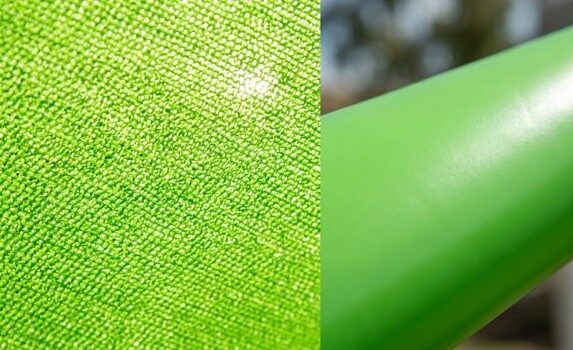
A heavy-duty shade sail is engineered using high-density polyethylene (HDPE) knitted fabric. The fabric is porous, featuring thousands of microscopic gaps in the weave.
This breathable construction allows hot air to escape freely while blocking up to 98% of harmful UV rays.
Key Characteristics:
- Fabric Type: Knitted High-Density Polyethylene (HDPE).
- Primary Function: Solar heat reduction and high-level UV protection.
- Airflow: High breathability; keeps ambient temperatures underneath significantly cooler.
- Rain Protection: Water-permeable. Rain passes through the weave during heavy downpours.
- Wind Resistance: Excellent aerodynamic performance due to breathable fabric releasing wind pressure.
What Is a Waterproof Shade Structure?
A waterproof shade structure uses architectural PVC (polyvinyl chloride) membrane fabric or coated polyester textiles. Unlike knitted fabrics, architectural PVC is completely non-porous and impermeable to water.
Waterproof shade structures act as a solid roof alternative. They shield patrons and equipment from both UV radiation and rain, allowing outdoor spaces to remain usable 365 days a year.
Key Characteristics:
- Fabric Type: Coated Architectural PVC or Vinyl Membranes.
- Primary Function: 100% weatherproofing against rain, sun, and hail.
- Airflow: Sealed membrane; requires thoughtful design height and pitch to manage heat retention.
- Rain Protection: Completely waterproof. Rain runoff is directed into planned drainage systems.
- Structural Load: Higher wind and water loads require heavy-duty steel footings and engineered tensioning.
Direct Comparison: Heavy-Duty vs Waterproof Shade Sails
To determine which option fits your facility, consider this side-by-side technical comparison:
| Performance Metric | Heavy-Duty Shade Sails | Waterproof Shade Structures |
| Water Protection | Porous (allows water through) | 100% Impermeable / Waterproof |
| UV Protection | Up to 98% UV Block out | Up to 100% UV Block out |
| Cooling & Airflow | High thermal relief via air circulation | Requires engineered pitch for airflow |
| Wind Load | Lower wind resistance (air flows through) | Higher wind loads (requires stronger posts) |
| Maintenance | Low (occasional pressure washing) | Medium (requires clear drainage gutters) |
| Typical Lifespan | 10 – 15+ Years | 15 – 20+ Years |
| Ideal For | Playgrounds, sports courts, car parks | Outdoor dining, walkways, school assembly spaces |
When to Choose Heavy-Duty Shade Sails
Heavy-duty knitted shade sails are ideal when solar heat reduction and UV safety are your top priorities.
1. School Playgrounds & Sports Facilities
Kids need maximum protection from harmful solar rays during outdoor activity. Knitted HDPE fabric blocks UV radiation while allowing warm air to vent upwards. This creates a much cooler environment underneath.
2. Commercial Car Parks
Commercial car parks benefit greatly from heavy-duty shade cloth. It protects vehicles from hail damage and extreme solar heat without accumulating heavy water loads during summer storms. Explore custom solutions for car park shade structures in Brisbane.
3. High-Wind Coastal Locations
Because knitted fabric is porous, wind pressure passes through the material rather than pushing against it. This reduces stress on support columns and footings during storm events.
When to Choose Waterproof Shade Structures
Waterproof shade structures are the ideal choice when all-weather usability is mandatory for operational success.
1. Hospitality & Outdoor Dining
Cafes, restaurants, and pubs cannot afford to lose dining space during rain showers. A waterproof membrane ensures outdoor seating generates revenue regardless of the weather.
2. School Walkways & Covered Assembly Areas
Keeping students and staff dry between classrooms requires reliable rainfall protection. Waterproof structures keep thoroughfares safe and dry year-round. Read more about custom designs for Brisbane shade sails.
3. Sensitive Equipment Storage
If your facility stores inventory, commercial machinery, or vehicles that require complete rain and sun protection, architectural PVC membranes provide an economical alternative to solid roof structures.
Engineering & Compliance Standards in Queensland
Both heavy-duty and waterproof structures installed by Versatile Structures comply strictly with Australian Standards (AS/NZS 1170 for structural wind loads).
Because waterproof fabrics do not let water pass through, they accumulate heavy water weight if installed incorrectly. Therefore, waterproof shade structures require:
- Precise Pitch Angles: Minimum 15-degree to 20-degree slope to prevent water pooling.
- Reinforced Steel Posts: Larger diameter steel posts and deeper concrete footings.
- Engineered Tensioning Systems: High-tensile perimeter cables to hold membrane rigidity.
Frequently Asked Questions (FAQs)
1. Are heavy-duty shade sails completely waterproof?
No, heavy-duty shade sails made from knitted HDPE fabric are water-permeable. They are designed primarily for UV block out and heat reduction. Light rain may mist through, while heavy rain will pass through the weave. For full rain protection, an architectural PVC waterproof membrane is required.
2. How long do commercial waterproof shade structures last?
High-grade architectural PVC waterproof structures typically last between 15 and 20+ years when properly maintained. The structural steel framework can last even longer when hot-dip galvanised or powder-coated for corrosion protection.
3. Can a waterproof shade sail handle high wind speeds?
Yes. When custom-engineered by certified structural engineers, waterproof shade sails are designed to withstand local wind loads, including cyclonic wind zones in Queensland. They require stronger steel footings and precise tensioning to manage wind resistance.
4. Do waterproof shade sails collect water and sag?
If designed and installed correctly, water will not pool on a waterproof shade sail. Professional installers design structures with sufficient pitch, twist, and cable tensioning to ensure rain drains off efficiently into designated runoff zones or gutters.
5. Which option is more cost-effective for commercial applications?
Heavy-duty knitted shade sails generally have a lower initial capital cost because they require less heavy steel framing and foundation work. However, if rain interruptions lead to lost commercial revenue (e.g. outdoor dining), a waterproof shade structure yields a higher long-term return on investment.
Need Advice on the Right Shade Solution?
Whether you need breathable UV protection or total weatherproofing, Versatile Structures designs, engineers, and installs tailor-made commercial shade solutions across Queensland. Contact our expert team today for a site assessment and quote.
{ “@context”: “https://schema.org”, “@type”: “FAQPage”, “mainEntity”: [{ “@type”: “Question”, “name”: “Are heavy-duty shade sails completely waterproof?”, “acceptedAnswer”: { “@type”: “Answer”, “text”: “No, heavy-duty shade sails made from knitted HDPE fabric are water-permeable. They are designed primarily for UV block out and heat reduction. Light rain may mist through, while heavy rain will pass through the weave. For full rain protection, an architectural PVC waterproof membrane is required.” } },{ “@type”: “Question”, “name”: “How long do commercial waterproof shade structures last?”, “acceptedAnswer”: { “@type”: “Answer”, “text”: “High-grade architectural PVC waterproof structures typically last between 15 and 20+ years when properly maintained. The structural steel framework can last even longer when hot-dip galvanised or powder-coated for corrosion protection.” } },{ “@type”: “Question”, “name”: “Can a waterproof shade sail handle high wind speeds?”, “acceptedAnswer”: { “@type”: “Answer”, “text”: “Yes. When custom-engineered by certified structural engineers, waterproof shade sails are designed to withstand local wind loads, including cyclonic wind zones in Queensland. They require stronger steel footings and precise tensioning to manage wind resistance.” } },{ “@type”: “Question”, “name”: “Do waterproof shade sails collect water and sag?”, “acceptedAnswer”: { “@type”: “Answer”, “text”: “If designed and installed correctly, water will not pool on a waterproof shade sail. Professional installers design structures with sufficient pitch, twist, and cable tensioning to ensure rain drains off efficiently into designated runoff zones or gutters.” } },{ “@type”: “Question”, “name”: “Which option is more cost-effective for commercial applications?”, “acceptedAnswer”: { “@type”: “Answer”, “text”: “Heavy-duty knitted shade sails generally have a lower initial capital cost because they require less heavy steel framing and foundation work. However, if rain interruptions lead to lost commercial revenue (e.g. outdoor dining), a waterproof shade structure yields a higher long-term return on investment.” } }] }If keeping rain out matters, our waterproof shade sails page explains the membranes and structures we design for businesses.