
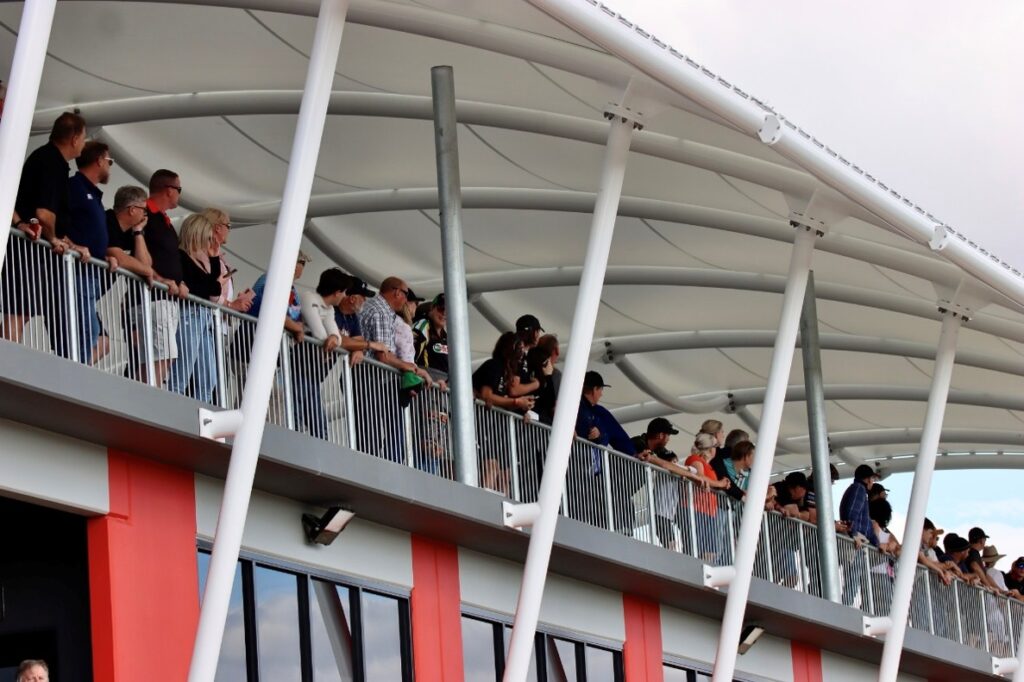
Queensland weather puts serious stress on outdoor structures. Intense solar exposure delivers damaging ultra-violet rays for most of the year. Heavy summer rain causes structural pooling on low-grade covers. Coastal storms bring damaging winds across the region. Choosing the right commercial shade structure protects your property and people. Modern heavy-duty and waterproof fabric systems deliver reliable long-term protection.
The Challenge of Queensland Climate on Commercial Infrastructure
Standard domestic shade sails fail quickly under severe local conditions. Tropical downpours create immense water weight on flat surfaces. Cyclonic wind gusts test structural posts and anchorage foundations. High UV levels degrade low-grade synthetic fabrics within years.
Commercial operators face high repair costs from inadequate installations. School courtyards become unusable during heavy rain. Car parks suffer vehicle damage from falling debris during storms. Outdoor dining areas lose revenue when wet weather arrives.
Engineering custom shade systems solves these weather challenges. Specialized tension fabric structures direct water runoff safely away. Heavy-duty steel posts withstand severe wind ratings. High-density materials retain strength under continuous solar exposure.
Engineered Waterproof vs Standard Shade Fabrics
Selecting the right material determines overall structure performance. Standard shade cloth allows air flow but lets water pass through. Waterproof membranes block all rain while providing total UV protection.
Heavy-duty commercial fabrics feature specialized PVC coatings. These coatings create a continuous barrier against water penetration. High-tensile steel cables reinforce outer edges against sagging. Pre-tensioned designs prevent water pockets from forming on top.
| Feature | Standard Shade Mesh | Waterproof PVC Fabric |
| Rain Protection | Partial / Light Mist | 100% Waterproof |
| UV Block out | Up to 95% | 100% |
| Wind Rating Compatibility | Standard Commercial | High Wind / Cyclonic |
| Water Pooling Resistance | Low | High (Pre-tensioned) |
| Ideal Application | Playgrounds, Parks | Car Parks, Dining |
Architectural shade sails utilize custom engineering to handle heavy loads. Proper pitch angles carry rainfall into drainage systems. Rigid support frames prevent structural movement in strong winds.
Key Benefits for Commercial & Public Sectors
Installing commercial-grade shade covers provides clear financial advantages. Commercial operators maximize outdoor footprint usability year-round. Public sites meet strict sun safety duty-of-care requirements.
- Year-Round Weather Protection: Keep outdoor spaces dry during storms and cool on hot summer days.
- Asset Protection: Prevent vehicle paint damage from sun, hail, and tree debris in commercial car parks.
- Enhanced Safety: Provide compliance-focused UV coverage for schools and early learning centres.
- Long Structural Lifespan: Reduce ongoing maintenance expenses with marine-grade stainless hardware and coated steel posts.
- Custom Architectural Design: Tailor shapes and colours to match your existing building aesthetics.
Commercial Applications Across Queensland
Custom heavy-duty shade systems suit a wide range of industries. Each site requires specific design considerations for wind terrain categories and spatial dimensions.
Educational Facilities & Playgrounds
Schools require wide coverage over play areas and assembly spaces. Waterproof sails create outdoor learning environments that operate regardless of rain. High UV ratings keep students safe during outdoor activities. View our project profiles like the Live Action Bunnings Bundamba build to see commercial installation examples in action.
Car Parks & Transport Hubs
Commercial vehicle protection prevents heat build-up inside cars. Cantilevered car park shade structures allow easy vehicle turning movements. Waterproof membranes keep shoppers dry while unloading goods. Explore dedicated options on our Car Park Shade Structures page.
Hospitality & Outdoor Venues
Restaurants and clubs rely on outdoor seating capacity for revenue. All-weather coverings allow continuous outdoor dining regardless of sudden storms. Retractable and fixed canopy options offer flexible layout choices.
Engineering Standards & Local Compliance
Queensland building regulations set strict rules for commercial shade installations. Every structure must meet Australian Standards for structural design and wind loads.
| Compliance Factor | Requirement Standard |
| Wind Load Engineering | AS/NZS 1170.2 Structural Design Actions |
| Steel Fabrications | AS 4100 Steel Structures Design |
| Fabric Tensile Strength | AS 2001 Methods of Test for Textiles |
| Council Approvals | Form 15/16 Compliance Certification |
Professional site analysis determines soil stability and footings requirements. Structural steel posts receive hot-dip galvanising to prevent rust near coastal waters. Certified engineers review each layout before manufacturing begins.
Read through our detailed Shade Structure Guide for complete technical information on engineering specifications.
Material Comparison for Queensland Projects
Different sites demand tailored architectural materials. Polycarbonate, shade cloth, and PVC tensile fabrics offer distinct structural benefits.
| Property | PVC Tensile | Polycarbonate | High-Grade Mesh |
| Flexibility | High | Low (Rigid) | High |
| Hail Resistance | Excellent | Moderate | Excellent |
| Acoustic Insulation | High (Softens) | Low (Loud Rain) | N/A |
| Heat Reflection | High | Moderate | Moderate |
| Maintenance Need | Low (Self-Clean) | Moderate | Low |
Tensile fabric systems handle large open spans better than rigid sheet roofing. They reduce heat retention beneath the canopy during peak summer months. Soft fabric profiles also reduce rainwater noise compared to metal or plastic sheet roofs.
Planning Your Commercial Shade Project
Successful installation relies on a structured project management framework.
- Initial Site Assessment: Evaluate wind terrain, sun angles, underground utilities, and space constraints.
- Design & Engineering: Create custom 3D models and complete structural engineering calculations.
- Council Certification: Prepare building applications and structural documentation.
- Fabrication: Cut and weld steel posts while high-frequency welding fabric seams.
- On-Site Installation: Excavate footings, pour concrete, set steel frame, and tension membrane.
Planning ahead ensures smooth project execution without business disruptions. Learn more about project budgeting on our Cost of Car Park Shade Structures page.
Frequently Asked Questions
Are waterproof shade sails completely leakproof?
Yes, high-grade waterproof shade sails utilize PVC-coated membranes joined with high-frequency welded seams. When designed with adequate fall and tension, they provide 100% waterproof protection against heavy rainfall.
How do heavy-duty shade sails handle severe wind gusts?
Commercial shade structures are custom engineered to meet AS/NZS 1170.2 standards for specific wind regions. Footings, steel posts, and tension cables are sized to withstand cyclonic conditions typical in Queensland.
What is the average lifespan of a waterproof commercial shade structure?
Architectural-grade PVC fabrics generally last between 10 to 15 years. Galvanised steel posts and stainless-steel hardware can last over 25 years with basic routine maintenance.
Do commercial shade structures require local council approval?
Most permanent commercial shade structures require building approval and engineering certification. A certified structural engineer must provide building documentation to meet council regulations.
How do waterproof fabric structures compare in price to rigid roofing?
Fabric tensile structures offer lower total installation costs over large spans. They require fewer heavy structural supports than solid roofing, reducing foundation work and installation timelines.
Need rain cover as well as shade on a large site? Our waterproof shade sails page explains the fabrics, engineering and installation we offer.