
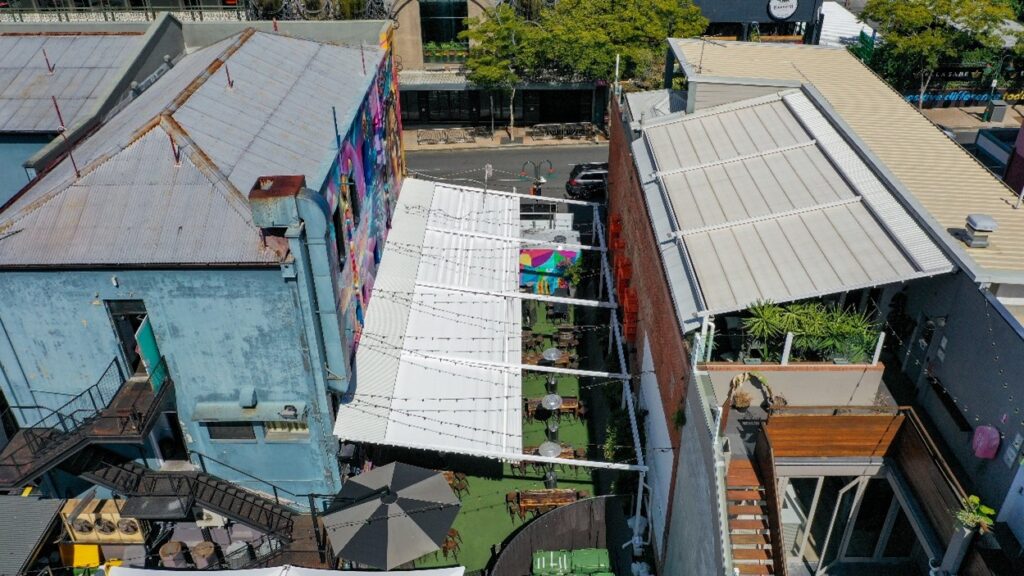
When people think about shade structures, summer heat is usually the first thing that comes to mind. In Queensland especially, protection from UV and extreme temperatures is non-negotiable. But modern commercial shade structures are no longer just a seasonal solution. When designed correctly, they become year-round assets that transform how schools and communities use their outdoor spaces.
From outdoor classrooms and covered play areas to community performance zones and multipurpose courts, well-designed shade structures unlock flexibility, safety, and long-term value well beyond summer.
This article explores how schools, councils, and community organisations can design outdoor spaces that work in every season and for multiple purposes.
Rethinking Shade as Infrastructure, Not an Add-On
Traditionally, shade has been treated as an afterthought, something added once heat becomes a problem. Forward-thinking schools and councils now recognise shade structures as core infrastructure, similar to buildings, walkways, or amenities.
A properly designed structure can:
- Extend usable outdoor hours year-round
- Support multiple activities in the same space
- Improve safety, comfort, and accessibility
- Reduce wear and tear on surrounding surfaces and equipment
This shift in thinking changes how spaces are planned, funded, and used.
Supporting Outdoor Learning in All Seasons
Outdoor learning spaces are becoming increasingly popular across Queensland schools. Covered areas allow teachers to take classes outside without worrying about sun exposure, light rain, or excessive glare.
- Multi-season shade structures enable:
- Outdoor classrooms for group learning
- Quiet reading or reflection zones
- STEM and creative learning activities
- Flexible teaching environments that reduce classroom congestion
In cooler months, these spaces remain usable without the harsh heat, while in summer they provide critical UV protection. Importantly, permanent structures also support consistent timetabling, unlike temporary solutions that need to be packed away.
Designing Covered Play Spaces That Work Year-Round
Playgrounds are one of the most heavily used outdoor areas in schools and community settings. Without adequate cover, they often become unusable during peak heat or wet weather.
Multi-function shade solutions allow playgrounds to:
- Remain open during hot days
- Reduce surface temperatures on equipment and soft-fall areas
- Offer shelter during light rain
- Encourage active play throughout the year
By integrating shade into the playground design from the outset, schools and councils can significantly increase daily usage and reduce the need for indoor alternatives.
Creating Flexible Community and Performance Spaces
Community spaces are increasingly expected to do more with less. A single outdoor area may need to function as:
- A school assembly zone
- A community event space
- A performance or presentation area
- A casual gathering point
Multi-season shade structures make this possible by offering wide spans, clear sightlines, and durable materials that suit varied uses.
For councils and schools, this flexibility maximises return on investment. Instead of building multiple specialised spaces, one well-designed covered area can support dozens of activities across the year.
Weather Protection Without Closing Spaces Off
One of the key advantages of modern shade structures is that they provide protection without enclosing spaces completely. Unlike buildings, open-air structures:
- Maintain airflow and natural light
- Feel welcoming and accessible
- Reduce the need for mechanical ventilation
- Preserve connection to outdoor environments
This balance is particularly important in community settings, where spaces need to feel inclusive, safe, and adaptable rather than closed or restrictive.
Designing for Durability and Compliance
Multi-season use places higher demands on materials and engineering. Structures must withstand:
- High winds
- Heavy rain
- Intense UV exposure
- Long-term daily use
This is why compliance with Australian Standards and site-specific engineering is essential. Schools and councils benefit from working with experienced providers like Versatile Structures, who design and manufacture solutions specifically for Queensland conditions.
Durable materials and proper engineering reduce maintenance costs and ensure structures remain safe and functional for decades.
Accessibility and Inclusive Design
Multi-function outdoor spaces must cater to diverse users. Shade structures play an important role in inclusive design by:
- Providing accessible pathways and clear circulation
- Offering rest areas for carers, parents, and older community members
- Supporting sensory-friendly spaces with reduced glare and heat
- Enabling events and activities for all age groups
By incorporating shade into inclusive design principles, schools and councils create spaces that truly serve their whole community.
Smarter Planning Leads to Better Long-Term Value
While multi-season shade structures may involve higher upfront investment than temporary solutions, the long-term value is significantly greater.
Benefits include:
- Increased daily and annual usage of outdoor spaces
- Reduced heat-related risks and incidents
- Lower maintenance and replacement costs
- Stronger community engagement and satisfaction
When outdoor spaces are usable more often, they deliver better outcomes for education, wellbeing, and community connection.
Looking Beyond Summer
The most successful outdoor environments are those designed with the full year in mind. Shade structures are no longer just about escaping the sun; they are about creating adaptable, resilient spaces that support learning, play, and community life in every season.
For schools, councils, and community organisations, investing in multi-season, multi-function shade structures is a practical step toward safer, more flexible, and more valuable outdoor spaces.
If you’d like, I can:
- Optimise this article for specific keywords
- Rewrite it in first-person to match other Versatile Structures content
- Create a matching meta description and URL slug
- Add a local Queensland case study angle